
Quick Summary
Eligibility review, Form I-20 and DS-160 consistency checks, organized financial evidence, and realistic interview preparation carry most F-1 cases. Nonimmigrant intent and earlier refusals need attention well before the consular appointment. Legal help continues after approval through transfers, practical training, and status changes.
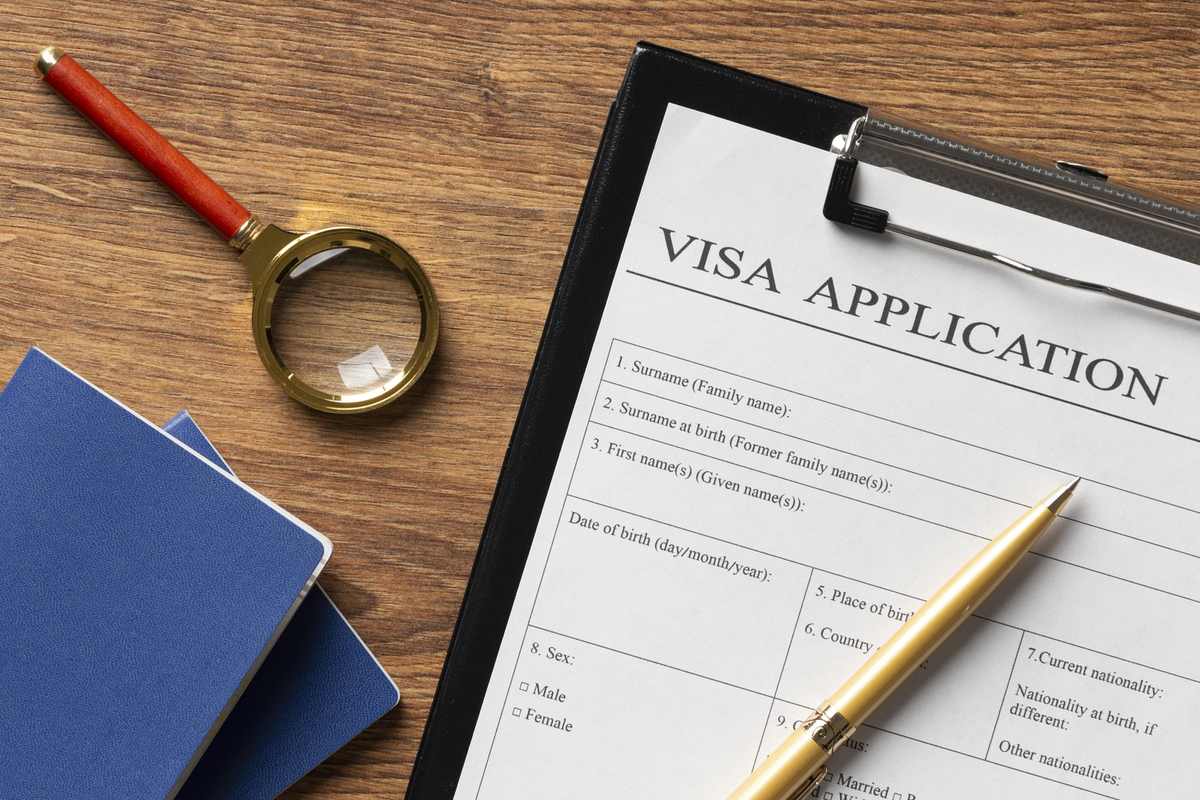
Applying for an F-1 student visa involves more than completing a form and attending an interview. An F1 visa immigration lawyer can help a student understand the rules, prepare accurate records, and identify problems before they reach a consular officer. Legal guidance can be useful when an applicant has prior visa issues, unusual funding arrangements, or concerns about temporary intent.
How We Review F-1 Eligibility
We begin by checking whether the student appears to meet the basic F-1 requirements. Applicants generally need admission to a qualifying U.S. school, sufficient funds for study and living costs, a foreign residence, and an intention to leave the United States after completing their program.
Experienced immigration attorneys can also examine facts that may complicate an application. Prior immigration violations, past refusals, inconsistent travel records, or questions about home-country ties may call for careful legal planning before the student applies.
Checking Form I-20 and SEVIS Details
After an eligible school accepts a student and enters information into SEVIS, the school issues Form I-20. We review identifying information, program details, funding figures, and other entries for errors or inconsistencies before the visa application moves forward.
The information on Form I-20 should fit the rest of the student’s case. If funding amounts, school plans, or personal details conflict with the DS-160 or interview answers, a consular officer may ask for clarification.
Preparing the DS-160 Accurately
Every F-1 applicant generally completes Form DS-160, the online nonimmigrant visa application. A lawyer can review questions involving education, employment, travel, family, security matters, and prior U.S. immigration history.
The goal is not to create a more favorable story. It is to make the application truthful, complete, and consistent with other records, since inaccurate answers can cause delays and may create more serious immigration concerns.
Organizing Financial and Application Records
F-1 applicants must show that they have enough money for tuition and living expenses during their studies. A lawyer can review bank statements, scholarship letters, sponsor documents, and other financial records to see if the evidence matches the funding information listed in the application.
Counsel can also help organize passports, the DS-160 confirmation page, Form I-20, fee records, photographs when required, and academic documents. A well-prepared file helps the student locate requested records during the interview.
Preparing Students for the Visa Interview
The consular interview gives the officer an opportunity to assess the student’s eligibility for F-1 classification. Questions may cover the chosen school, academic program, source of funds, future plans, and reasons for returning home after graduation.
We conduct practice interviews and explain why these topics matter under U.S. immigration law. This preparation can help the applicant answer clearly without memorizing scripted responses or giving statements that conflict with written records.
Addressing Nonimmigrant Intent Concerns
F-1 applicants must generally show that their stay in the United States will be temporary. Evidence of family relationships, property, career plans, financial ties, or other connections abroad may help demonstrate an intention to return after study.
An attorney can assess the student’s circumstances and identify weak points before the interview. If a previous refusal involved INA Section 214(b), legal review may help the student understand what changed facts or stronger evidence could matter in a future application.
Legal Guidance Can Help After a Visa Refusal
A refusal does not always mean that every future F-1 application will fail. A lawyer can review the stated basis for denial, examine the prior filing, and discuss possible next steps, which may include reapplying with changed circumstances or addressing a separate ground of inadmissibility.
Some cases involve missing information, while others involve allegations of fraud, unlawful presence, criminal history, or another legal barrier. These matters often deserve individualized analysis rather than another filing made without examining the original problem.
Legal Help Can Continue After F-1 Approval
Students must follow F-1 rules after entering the United States, including requirements tied to enrollment and authorized employment. Questions can later arise about program extensions, school transfers, practical training, changes of status, or other immigration services connected to longer-term plans.
Working with knowledgeable counsel can give students a clearer view of the immediate visa process and later immigration choices. Legal guidance cannot guarantee approval, but it can reduce avoidable mistakes and help applicants approach the process with accurate information.
Get Help With Your F-1 Visa Application
At The Shulman Law Group, LLC, we assist clients with immigration matters and can review the legal issues affecting an F-1 student visa case. If you want guidance tailored to your circumstances, schedule a consultation with our team to discuss your application and available immigration services.
Frequently Asked Questions
No. U.S. immigration law does not require applicants to hire a lawyer for an F-1 visa application. However, legal guidance can be useful when a student has a prior visa refusal, immigration violation, complicated financial arrangements, conflicting records, or questions about demonstrating temporary intent.
An immigration lawyer can prepare the student for common questions about the chosen school, academic program, funding, career plans, and intentions after graduation. The attorney can also review the application beforehand so the student’s interview answers remain accurate and consistent with Form I-20, Form DS-160, and other submitted records.
No. An immigration lawyer cannot guarantee that a consular officer will approve an F-1 visa. The final decision rests with the U.S. government based on the applicant’s eligibility, documentation, interview, immigration history, and individual circumstances.
Yes. A lawyer can examine the stated reason for the refusal, review the previous application, and identify issues that may need attention before another filing. Depending on the circumstances, the attorney may discuss reapplication, stronger documentation, changed facts, or legal issues involving inadmissibility.